How Much Does Custom Jeans Manufacturing Cost? A Brand Buyer's Guide
- Share
- publisher
- Vanrd
- Issue Time
- Oct 19,2026
Summary
How much does custom jeans manufacturing cost? This guide breaks down the factors behind jeans factory pricing, from denim fabric and washing treatments to hardware, construction, sampling and order quantity. Learn why different colorways and size ranges can change your unit cost, how to compare supplier quotations, and what details your brand should provide to receive an accurate, project-specific jeans manufacturing quote.
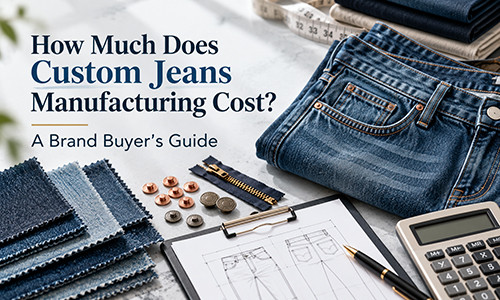
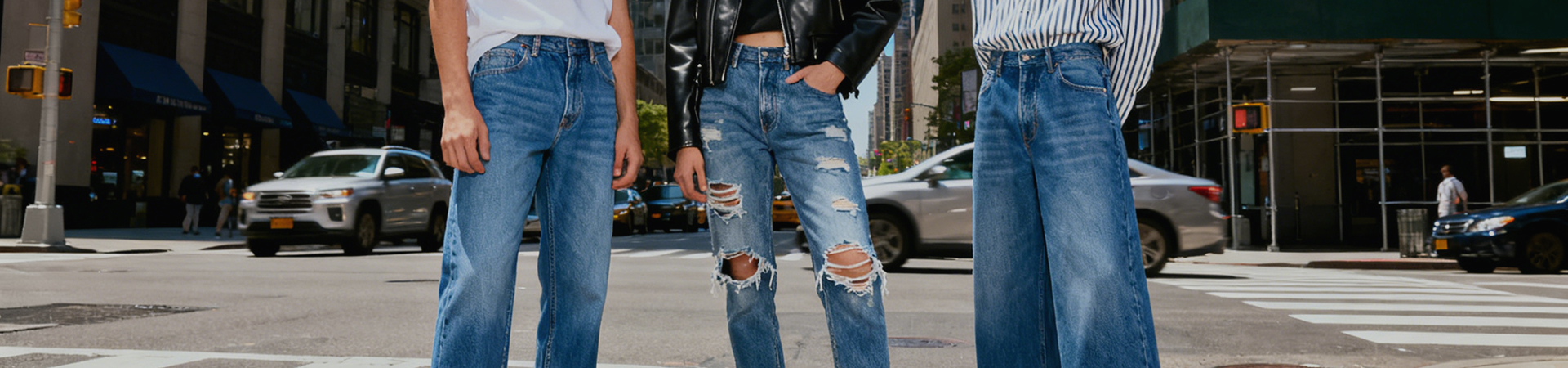
You have a denim design in mind. Maybe it's a clean straight-leg jean for your core collection, or a loose, vintage-washed style with custom back pockets. You send the idea to a factory, ask for a price, and get a number that seems surprisingly different from another supplier's quote. So, what exactly are you paying for?
The answer starts long before the sewing line. Denim fabric, cutting efficiency, construction, washing, hardware, sampling, and order size all shape the final cost. Two pairs of jeans can look similar in a product photo yet require very different manufacturing work. That is why a useful quotation needs more than a style name and a target quantity.
Quick answer: Publicly published 2026 jeans-manufacturing guides show a broad planning range of roughly US$8–45+ per pair, depending on volume and specifications. Higher-volume basic jeans may sit toward the lower end, while small-batch custom jeans are commonly discussed around US$18–45 per pair. Premium fabrics, elaborate washes, and unusual construction can cost more. These are third-party reference ranges, not a VANRD quotation, and they do not establish your landed cost.
This guide is written for apparel brand owners, product developers, and purchasing teams who want to understand custom jeans manufacturing cost before committing to sampling or bulk production. If you are already comparing factories, you can also explore VANRD's denim jeans manufacturing services to see the types of jeans, finishes, and private-label details that can be developed.
1. What Determines Custom Jeans Manufacturing Cost?
The main cost drivers are the denim fabric, construction labor, washing and finishing, hardware and branding, product development, and production quantity. There is also a practical difference between the cost to make the garment and the amount you eventually spend to get it into your warehouse.
Think of a jeans quote as a recipe. Denim is the main ingredient, but the fit, sewing operations, finishing treatments, and trims determine how much work the factory must put into each pair. Changing a single ingredient may also change the rest of the recipe. A heavier denim might need a different sewing setup. A more aggressive wash may require additional testing or affect the finished measurements.
Typical factory price ranges for custom jeans
| Jeans program | Indicative cost per pair | What typically changes the price |
|---|---|---|
| Basic, higher-volume jeans | About US$8–20 | Available denim, straightforward five-pocket construction, basic hardware, simple rinse or minimal finishing |
| Small-batch custom jeans | About US$18–45 | Lower order volume, custom fit, wash development, branded trims and additional setup per style or color |
| Premium or heavily developed jeans | Often US$25–45+ | Specialty or selvedge fabrics, multi-step washes, distressing, elaborate stitching, custom hardware and detailed quality control |
Pricing methodology: broad editorial reference ranges synthesized from publicly available supplier pricing guides reviewed in October 2026. They are not verified transaction averages, fixed market tariffs, or official VANRD selling prices. They should never replace a specification-based quotation. All values are in USD per finished pair.
These categories overlap because a manufacturer does not price denim by label alone. For example, a 300-pair order using a readily available 12 oz fabric and a simple rinse could cost less than another 300-pair order requiring an exclusive wash, special pocket construction, and custom-engraved metal buttons. The total number of units is the same; the work behind them is not.
What does a sample cost breakdown look like?
Let's take a hypothetical order of 200 straight-leg jeans in one fabric and one wash. The figures below demonstrate the calculation only. They are not a supplier quote, a VANRD cost sheet, or a promise that any factory can produce at these rates.
| Example cost component | Illustrative US$/pair | What it covers |
|---|---|---|
| Denim fabric | $6.50 | Fabric consumption and assumed cutting allowance |
| Cutting and sewing | $7.20 | Pattern-based cutting, assembly, seams and reinforcement |
| Washing and finishing | $3.50 | Specified wash and finishing operations |
| Hardware and trims | $2.10 | Button, zipper, rivets, pocketing and patches |
| Labels and packaging | $1.00 | Approved label and basic packing requirements |
| Factory overhead and QC allocation | $2.20 | Illustrative operating and inspection allocation |
| Illustrative production total | $22.50 | Excludes development fees, freight and import costs |
Now assume this fictional project also needs $360 in separately billed sampling and development charges. Spread over 200 pairs, that adds another $1.80 per pair to your project budget, bringing the illustrative effective amount to $24.30 per pair before freight, duties, taxes, and destination charges. Some manufacturers include certain development expenses in their unit price; others bill them separately. Always confirm which method the quotation uses.
This exercise matters because a low unit quote is not automatically a low total project cost. When two factories include different services, you are not comparing the same product or the same scope of work.
2. Fabric, Washing, and Hardware Costs
Most of the meaningful price differences begin with the garment specification. A better denim quote starts with the intended product: how it should fit, feel, fade, and wear. Once those decisions are clear, the factory can select materials and processes that make sense together.
Denim fabric: weight, fiber, quality, and consumption
Fabric is usually one of the largest components in jeans factory pricing. But weight alone does not tell you what the fabric will cost. You also need its fiber composition, yarn quality, width, weave, stretch performance, finish, and available supply. Two 12 oz denim fabrics may produce very different costs and washing results.
For a classic vintage look, many brands choose rigid cotton denim. Stretch denim may suit slim, tapered, or comfort-focused fits, but the elastane content and recovery performance need to be matched to the design. Premium selvedge denim can carry a higher material cost, partly because of the way it is woven and the usable width available for cutting.
Fabric consumption matters just as much as its price per meter. A baggy wide-leg fit, longer inseam, larger size range, or inefficient marker layout can use more fabric than a standard straight-leg design. That extra consumption affects every pair, even before washing or trims are added.
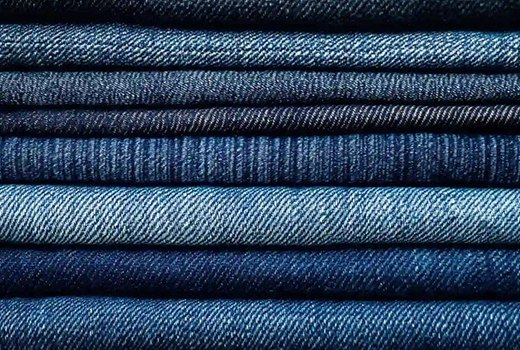
Imagine a fabric that costs a little more per meter but has a usable width that improves cutting yield for your size range. It might produce a competitive material cost per pair despite its higher meter price. The reverse can happen with narrow fabrics, directional panels, or unusual pocket pieces. This is why buyers should ask about fabric consumption per garment, not only the fabric price.
Stock denim can also help early collections avoid custom mill development and minimum-order requirements. However, selecting available fabric is only a good saving if the finished hand feel, stretch, shade, and wash performance suit your brand.
Denim washing cost: simple rinse versus developed effects
Washing is where the appearance of the jeans is often created. A dark rinse wash may require relatively straightforward processing. A vintage finish with whiskers, faded thighs, abrasion at the pockets, and a particular shade can involve several additional operations. Each one affects production effort, process control, and the chance of variation.
A basic rinse, enzyme wash, stone wash, and high-contrast acid-wash effect are not interchangeable terms. Neither are laser fading and hand distressing. These processes may be combined, and their actual cost depends on the fabric, desired result, equipment, order size, and number of treatment steps.
| Wash or finish | Relative cost tendency | What buyers should approve |
|---|---|---|
| Raw or unwashed appearance | Lower finishing work; not always the lowest total product cost | Shrinkage behavior, color transfer, hand feel and care expectations |
| Rinse or basic enzyme wash | Generally lower to moderate | Shade, softness and post-wash measurements |
| Stone or vintage wash | Usually moderate | Fade balance, abrasion, seams and color consistency |
| Acid-wash effect or multiple treatments | Often moderate to high | Contrast, placement, shade tolerance and fabric performance |
| Localized whiskers, laser effects or hand distressing | Depends heavily on coverage and process | Artwork placement, effect repeatability and fabric strength |
One important detail is easy to miss: washing can change the fit. If you approve the waist, inseam, and leg opening on an unwashed prototype, you may be approving measurements that will change after the final finish. For a commercially reliable result, compare fit and measurements on the jeans after the intended production wash.
VANRD's guidance on custom denim pants options explains how fabric, construction, decoration, and the private-label pack work together. The same wash-to-fit discipline is discussed in our custom denim jacket manufacturing guide.

Hardware, trims, and private-label details
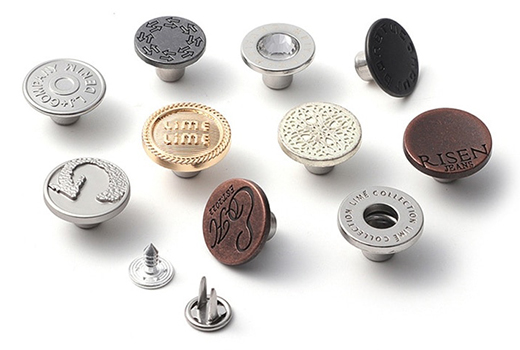
Jeans carry more small components than many buyers expect: metal buttons, rivets, zippers, pocket bags, waist patches, labels, thread, hangtags, size stickers, and packaging. A basic trim package may be straightforward to source. Custom-made buttons, exclusive rivet finishes, molded patches, or unusually branded packaging can introduce supplier minimums or one-time setup costs.
Not every custom detail deserves the same budget. A distinctive back-pocket stitch or carefully chosen patch might communicate more about your brand than five different pieces of custom hardware. You can often retain a recognizable design while simplifying components that your customer barely notices.
Fit and construction complexity
Construction cost is also design-dependent. A familiar five-pocket block with a standard fly and conventional seams is not the same production job as a multi-panel jean with carpenter pockets, shaped knees, contrast inserts, or intricate embroidery. Additional operations take time; difficult seams may require specialized equipment or extra handling.
Pay attention to the less visible details too. Waistband construction, fly alignment, belt-loop attachment, bar tacks, inseam quality, and pocket symmetry affect how the jeans wear. Cutting essential reinforcement merely to save a small amount can create returns and reputational damage that outweigh the initial saving.
3. Order Quantity, Sizes, and Colorways
Increasing an order can lower the unit cost, but the relationship is rarely a straight discount ladder. Factories still have to develop the pattern, prepare materials, set up production, arrange washing, and inspect the finished product. When those activities are spread across more pieces of the same style and specification, each garment carries a smaller share of the setup work.
There is another side to the calculation: buying more jeans than you can sell ties up money in inventory. A lower quoted unit price does not help if the extra stock remains in your warehouse. Your goal is to find the order size that fits both the manufacturing economics and your likely sell-through.
Why the same total quantity can receive different prices
Suppose you plan to manufacture 300 pairs. If all 300 use one fabric, one pattern, and one wash, the supplier can often plan a more efficient run. If you split the order into three different washes of 100 pairs each, the project may need separate wash approvals, handling, batch planning, and shade checks.
| Hypothetical order | Quantity | Production planning implication |
|---|---|---|
| One wash / one colorway | 300 pairs | One main finish specification and a more consolidated production run |
| Three wash colorways | 100 pairs per wash | Separate wash targets, possible additional approvals and smaller batches |
| Three different constructions | 100 pairs per style | Different patterns, operations, consumption and potentially separate setup requirements |
These examples are about manufacturing structure, not a guaranteed price difference. The number of designs, fabric lots, and finishing batches can matter as much as the combined unit count. This is especially important for streetwear collections with black, washed blue, and vintage gray versions of the same silhouette.
Does your jeans size range affect the price?
It can. A broader size range requires grading, a reliable measurement specification, and potentially more fabric for larger sizes. The cost effect depends on the order ratio and the size distribution, not merely the number of labels on your size chart. For instance, 200 pairs across five standard sizes can still use one shared fit block and production setup, while adding a distinct plus-size construction or unusually long inseam may require extra development.
Before asking for a price, identify your expected size breakdown and the fit points that matter most: waist, hip, rise, thigh, knee, leg opening, and inseam. Clear proportions make the quotation more useful and reduce last-minute changes.
How VANRD approaches jeans MOQ
For VANRD denim jeans programs, the published standard starting point is 100 pieces per style per color, with sizes typically mixed within that color quantity. Final feasibility still depends on the chosen fabric, wash, trims, and construction. A unique fabric or exclusive component can have a separate supplier minimum, even when the garment MOQ is achievable.
That means 100 pairs in one approved colorway is a different request from 100 pairs divided among four colors. If you are preparing a first collection, start with the combinations your customers are most likely to buy, then expand when you have feedback and repeat-order data.
4. Sampling and Development Costs
Sampling is not simply the expense of making one pair of jeans. You are paying to resolve design questions before they multiply across an entire production run. The pattern, finished fit, fabric performance, wash effect, and branding need to work as one product. A well-managed approval stage is often the difference between a predictable order and an expensive round of corrections.
What denim development may include
A custom jeans project may begin with technical drawings and measurements, or with a physical reference garment and a design brief. The development team then needs to translate that information into patterns, fabric and trim specifications, construction methods, and a sample that can be evaluated on a body.
For denim, the first fit sample and the approved washed sample can serve different purposes. An early prototype might establish the silhouette and construction. A wash trial then shows how the fabric changes in shade, softness, shrinkage, and dimensions. If those changes affect the fit, the pattern or measurement targets may need to be adjusted before final approval.
A project may also require a revised fit sample, a full size-set review, or a pre-production sample. Not every order needs the same number of rounds, which is why a generic sample fee without a defined scope tells you very little. Ask what the fee covers and which revisions or wash trials would be billed separately.
OEM versus ODM: who handles development?
If your brand arrives with complete technical flats, a size chart, material specifications, and a clear approved wash reference, the factory can focus on reviewing and executing that design. If you have an idea and a few inspiration photos, more product-development work may be required. Neither approach is automatically better, but they create different budgets and responsibilities.
You can read our explanation of OEM versus ODM clothing manufacturing if you are deciding how much of the development process to manage internally.
What should be approved before bulk production?
When you approve denim samples, look beyond the front-view photograph. Check the garment after its intended wash, measure critical fit points, inspect fabric damage around distressing, and verify that buttons, rivets, zippers, and seams perform properly. Review the acceptable shade range too. Washed denim may show natural variation, but your factory and brand still need a shared definition of what is acceptable.
For private-label jeans, confirm the patch position, label text, hangtag, packing method, and barcode requirements. Those details should not be left until the last stage, when changing them may interrupt production or packing.
Factory price versus landed cost
One more budget deserves attention before you sign off: shipping and import expenses. A per-pair manufacturing quotation is not necessarily your complete cost. You may still need to account for freight, cargo insurance, import duties, taxes, customs brokerage, receiving fees, and inland transportation, depending on the agreed trade terms and destination.
Make sure both suppliers use the same Incoterms rule and named place or port. For example, under FOB, as defined by the International Chamber of Commerce, risk generally transfers when goods are on board the nominated vessel at the named shipment port. Freight after that point and the relevant import costs are not automatically included in a factory's unit selling price. For containerized cargo, your forwarder may advise using FCA instead, depending on how the goods are handed to the carrier.
Do not apply one fixed freight or duty percentage to every market. Import charges can change with the country of origin, product classification, destination, and trade rules. Your freight forwarder and customs specialist should confirm the current figures for the actual shipment.
5. What to Send for an Accurate Quote
The most useful price inquiry is not necessarily the longest one. It is the one that makes the intended product easy to understand. You do not need a perfectly finished tech pack to begin a conversation, but you do need enough information for the manufacturer to identify the main cost drivers and any unresolved questions.
Your custom jeans RFQ checklist
- Brand and target market: Your brand name or website, destination country, and positioning.
- Design reference: Front and back drawings, reference photos, or a physical sample.
- Fit and sizes: Straight, slim, relaxed, baggy, or wide-leg fit; measurement chart and expected size ratio if available.
- Denim direction: Target fabric composition, weight, stretch level, shade, and any preferred reference fabric.
- Washing and effects: Rinse, vintage wash, acid-wash look, whiskers, distressing, or another finish, ideally with close reference images.
- Hardware and branding: Buttons, rivets, zipper, back patch, embroidery, woven labels, tags, and packing requirements.
- Quantity breakdown: Pairs per style and colorway, not just total pairs across the collection.
- Project schedule: When you hope to approve samples and when goods need to reach your market.
- Quotation basis: Requested trade term, shipment destination, and whether you need development costs shown separately.
If you are still building your specification sheet, VANRD's tech pack templates provide a useful starting point. A reference garment and clear wash photographs are also valuable when the technical files are not yet complete.
How to compare two jeans factory quotations fairly
Ask both suppliers to quote the same fabric target, quantity per color, wash standard, trim package, and packing scope. Then check what happens if the final fabric needs to change, a wash trial needs a second round, or a custom trim cannot meet its supplier minimum. A number is only comparable when the assumptions behind it are visible.
Pay particular attention to whether sampling and pattern charges are separate, whether the unit cost includes approved branding, which inspection steps are included, and which delivery term the supplier is quoting. Also ask how the approved sample will be used to control the bulk run. If these answers are missing, the cheapest offer may simply be the least complete offer.
Choosing a manufacturing partner is also about project reliability. Our guide to finding a private label clothing manufacturer covers the broader questions worth asking before you place an order.
How to control cost without weakening your jeans
Start with the design details that make your product recognizable, and distinguish them from additions that simply make it expensive. If your brand identity is built around a great baggy fit and a particular vintage wash, protect those features. You may still be able to use available fabric, simplify secondary trims, or limit the initial color range.
Sometimes it is smarter to spend more on a reliable wash sample and less on exclusive metal hardware. Sometimes investing in a better fit block gives you more long-term value because you can reuse it across future seasons. The right cost decision depends on what your customers will actually notice, wear, and buy again.
Whatever you simplify, do not treat essential sewing quality, shrinkage control, secure hardware, or final inspection as optional extras. Those are the foundations of a repeatable denim product, not decorative upgrades.
Planning a custom denim collection? Send VANRD your jeans design or reference images, preferred wash, quantity by style and color, and target market. Our team can review the specifications and discuss a project-specific manufacturing quotation.
Conclusion
Custom jeans manufacturing cost is determined by the jeans you want to make, not by a single price list. Denim selection, washing, hardware, construction, order quantity, and development work all contribute to the budget, while freight and import costs influence what you ultimately pay. Start with a clear product reference, compare quotations on the same specifications, and approve the finished wash and fit before moving to bulk production. If you are ready to develop your next denim style, share your design, wash reference, and estimated quantity with VANRD for a quotation based on your actual project.
Frequently Asked Questions
1. Can I get a custom jeans manufacturing quote without a complete tech pack?
Yes. You can begin with front and back reference images, fit notes, a preferred fabric, an example of the wash, and your estimated quantity. The manufacturer can then identify what still needs to be confirmed. However, an initial budget estimate may change once the patterns, measurements, materials, and finishing requirements are finalized.
2. Does a 100-pair jeans order cost more per pair than a 500-pair order?
It often does when the style, fabric, wash, and trims are otherwise identical. Pattern preparation, production setup, sourcing, and wash development are spread across fewer garments. But an order of 500 pairs with complex finishing can still cost more per pair than 100 simple pairs, so quantity should never be compared in isolation.
3. Can different jeans sizes be combined to meet the minimum order quantity?
For VANRD's standard denim jeans program, sizes can generally be mixed within the 100-piece minimum for one style and color. Different wash colors or distinct styles should not automatically be combined toward the same MOQ. Confirm the breakdown with the team before placing your order.
4. Why does the final jeans price change after sampling?
A price can change if the approved sample requires a different fabric, more consumption, a revised pattern, additional wash steps, new hardware, or a different order split. Before sampling, ask which assumptions the initial quotation is based on. After approval, request a revised quotation that matches the final specification and approved sample.
5. What should I approve before paying for bulk jeans production?
Approve the finished washed sample, key measurements and tolerances, fabric and trims, wash shade target, branding placements, packaging details, quantity by size and color, agreed price scope, and production schedule. Also confirm which quality checks will be performed and how any acceptable wash variation will be judged.